


Most people who want to buy a home already have a picture in their minds.
They imagine the kitchen, the neighborhood, the extra bedroom, the backyard, or the feeling of finally having a place of their own.
Visualization matters because it gives direction to your goal. But visualization without planning can become a beautifully decorated form of procrastination.
A vision shows you where you want to go.
A plan tells you what to do next.
Execution is what creates the result.
That is the purpose of My Home in 90 Days: to help you replace uncertainty with a target date, clear information, and specific actions.
First, an Honest Clarification
Buying a home in 90 days is possible for some people, but it is not a promise or a universal timeline.
Your 90-day result may be:
- Closing on a home.
- Getting under contract.
- Receiving a mortgage preapproval.
- Saving the amount you need to move forward.
- Improving a specific part of your financial profile.
- Creating a realistic preparation plan for a later purchase.
The goal is not to pressure you into buying before you are ready.
The goal is to stop saying “someday” without knowing what someday requires.
Even if your answer today is “not yet,” you should leave the process knowing why, what needs to change, and when you can reevaluate.
Step 1: Give Your Goal a Date
“I want to buy a home” is a desire.
“I want to be ready to buy by March 31” is the beginning of a plan.
Choose a target date and write it down. It does not need to be perfect or permanent. Its purpose is to create a timeframe for your decisions.
Ask yourself:
- Why do I want to buy?
- What would owning a home change for me or my family?
- Where would I ideally like to live?
- What monthly payment would feel comfortable?
- What could prevent me from moving forward?
- What am I willing to do during the next 90 days?
Your target date should create direction—not panic.
Days 1–7: Understand Your Financial Reality
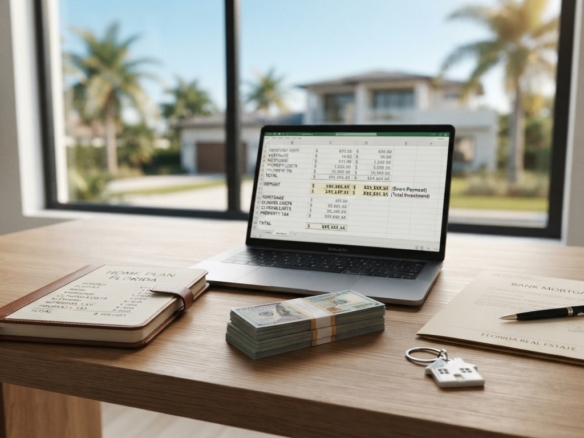
Before looking at homes, look at your numbers.
This is not the glamorous part of the process, but it may be the most valuable. A beautiful kitchen will not make an uncomfortable monthly payment feel better.
Start by reviewing:
- Your monthly income.
- Your current debts and recurring obligations.
- Your available savings.
- The amount you can consistently continue saving.
- Your credit profile.
- Your preferred monthly housing payment.
- The cash you could realistically use for the purchase.
Be honest about what feels sustainable.
The highest amount a lender may approve is not automatically the amount you should spend. Approval tells you what may be financially possible according to lending guidelines. Your budget should also reflect your lifestyle, priorities, and peace of mind.
The right home should support your life—not consume it.
Days 8–15: Speak With a Qualified Lender
You do not need to wait until everything looks perfect before having a lending conversation.
The purpose of speaking with a lender is not to force yourself into a purchase. It is to understand your current position.
Ask for clarity about:
- The loan programs that may fit your situation.
- Your estimated down payment.
- Potential closing costs.
- Your projected cash needed to close.
- Your estimated monthly payment.
- The documents you will need.
- Any financial areas that may require attention.
- The difference between what you could qualify for and what you would comfortably want to spend.
If you are not ready, ask the lender to explain the specific steps that could help you become ready.
“Improve your credit” is too vague.
You need to know what should be addressed, what actions may help, and when your situation should be reviewed again.
The lender helps define the financing path. Your real estate professional helps connect that path to actual properties, locations, costs, and trade-offs.
Days 16–30: Build Your Real Buying Profile
Once you understand your numbers, define what you are actually looking for.
Separate your needs from your preferences.
Your non-negotiables may include:
- Location.
- Number of bedrooms.
- Commute time.
- School or family considerations.
- Accessibility.
- Property type.
- Maximum monthly payment.
Your preferences may include:
- A large kitchen.
- A specific architectural style.
- A bonus room.
- A larger backyard.
- New construction.
- Certain community amenities.
This distinction matters because the perfect house rarely exists at the perfect price, in the perfect location, with every preferred feature.
Buying well requires knowing where you can be flexible—and where you should not be.
Days 31–60: Search With Strategy
This is when the plan becomes visible.
You can begin reviewing neighborhoods, comparing properties, and touring homes that realistically match your financial and lifestyle goals.
Do not compare homes based only on the listing price.
Evaluate the complete picture:
- Estimated monthly payment.
- Property taxes.
- Homeowners insurance.
- HOA or CDD fees, when applicable.
- Location and commute.
- Condition of the property.
- Potential repairs or upgrades.
- Community amenities.
- New-construction incentives and their conditions.
- Long-term suitability.
A lower-priced home is not always the less expensive option. A beautiful incentive is not automatically a good deal. And a larger home is not necessarily the better decision.
The question is not simply, “Do I like this house?”
The better question is:
“Does this home support the life and financial plan I am trying to build?”
Days 61–75: Make a Decision Without Losing the Strategy
When you find a strong option, return to your original plan.
Review:
- Your priorities.
- Your comfortable monthly payment.
- The complete cost of the property.
- The condition of the home.
- The terms of the offer.
- Available concessions or incentives.
- Inspection and financing considerations.
- The compromises you would be making.
Emotion will always be part of buying a home. It should be.
But emotion should not be the only decision-maker in the room.
A good purchase should feel exciting today and still make sense after the keys are handed over.
Days 76–90: Execute the Final Steps
If you go under contract, the final phase may include:
- Completing the home inspection.
- Reviewing the inspection findings.
- Providing updated documents to the lender.
- Completing the appraisal process.
- Securing homeowners insurance.
- Reviewing final loan and closing documents.
- Conducting the final walkthrough.
- Preparing for closing.
During this stage, organization and communication matter.
Respond to document requests quickly, keep your finances stable, and avoid making major financial changes without first speaking with your lender.
The finish line is close, but this is not the moment to improvise.
What If You Are Not Ready After 90 Days?
Then your plan has still done its job.
You may discover that your next step is to:
- Increase your savings.
- Reduce a specific debt.
- Work on your credit profile.
- Organize financial documentation.
- Adjust your target price.
- Reconsider the purchase timeline.
- Explore a different area or type of property.
That is not failure.
There is a significant difference between saying, “I cannot buy a home,” and saying:
“I need to complete these three steps, and I will reevaluate my options on this date.”
The first statement closes the door.
The second creates a plan.
Your Weekly Execution Review
At the end of every week, ask yourself:
- What did I complete?
- What information am I still missing?
- What is preventing me from moving forward?
- What is the next specific action?
- When will I complete it?
Progress does not always look dramatic.
Sometimes it looks like gathering documents, making a phone call, saving another $200, asking a better question, or finally looking at the numbers without fear.
Small actions become meaningful when they are connected to a clear outcome.
Stop Waiting for Perfect Clarity
You do not need to know everything before taking the first step.
You need enough clarity to take the next one.
Your 90-day plan may lead you to a closing table, or it may lead you to a better-prepared version of yourself. Both are valuable results when they are based on honest information and intentional decisions.
A home does not begin with the keys.
It begins with a decision, a date, and a plan.
Complete the My Home in 90 Days Evaluation to identify your current position, define your next steps, and create a timeline that makes sense for you.
If you would like help building your plan, send me “90 DAYS.” Let’s replace “someday” with a strategy.



Join The Discussion